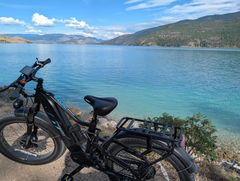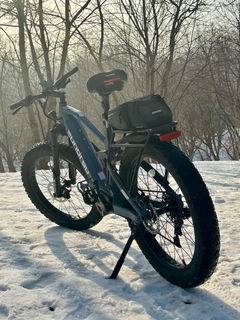
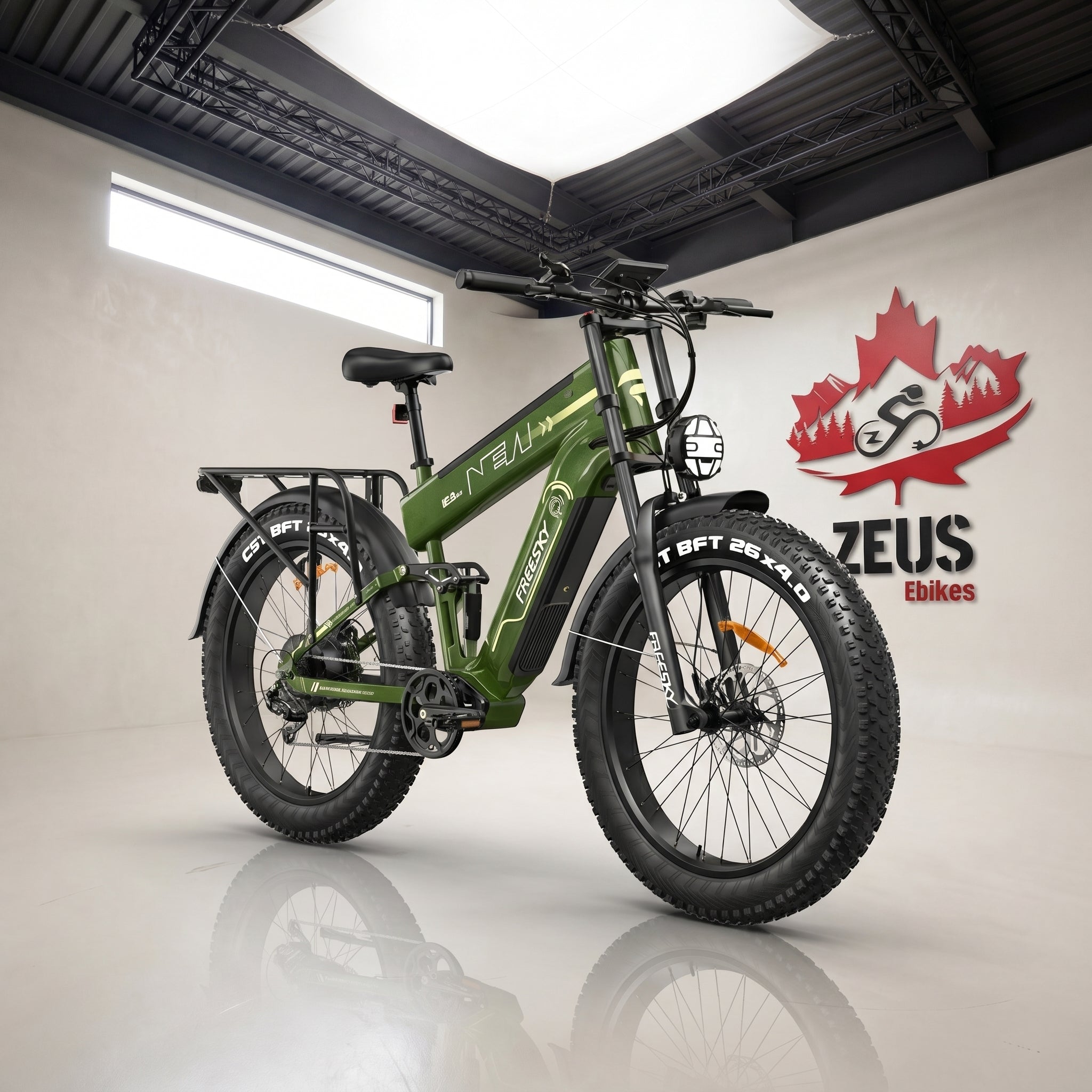
Freesky Alaska Pro M-520
Every Zeus e-bike comes with the manufacturer’s warranty and your first month of Zeus Care included. Add a Zeus Care plan to keep our Canadian team on your side for up to 5 years — remote diagnostics, we handle the manufacturer claim for you, return-shipping coordination.
Your selected plan is added automatically when you tap Add to Cart. No plan is added by default.
Zeus Care is a service plan, not a warranty — it does not add coverage or pay for parts or labour. Non-refundable once purchased. Full terms →
Your free gift box
This e-bike comes with the free Lock-Up Box: 10 items, including a U-lock and an LED safety vest, plus 1 year of Zeus Care.


Add $251 in gear and get the Adventure Box: 6 more items and 2 years of Zeus Care.
- Ride-Ready Box$1,000+ · 6 items
- Commuter Box$1,500+ · 8 items
- Lock-Up Box$2,000+ · 10 items + 1 yr Zeus Care
- Adventure Box$3,000+ · 16 items + 2 yrs Zeus Care
- Gold Box$4,000+ · 22 items + 3 yrs Zeus Care · only 10
The box ships separately from your e-bike by Dec 17, 2026. One box per order. While quantities last. Offer ends Nov 17, 2026, 11:59 p.m. ET. Terms
Freesky Alaska Pro M-520
🎁 Free Cycling Package (4-Piece Kit) with this bike. Freesky is including this kit free with the Alaska Pro M-520 right now, and you get the same kit when you order the bike from Zeus:
- Bottle holder ($50 value)
- Lock ($65 value)
- Rearview mirror ($55 value)
- Phone mount ($50 value)
That is $220 in accessories at Freesky’s own listed prices, read 16 October 2026. Included with your order, no code needed. Freesky calls it a limited-time offer and has not posted an end date, so it covers orders placed while Freesky is running it.
🛡️ Warranty: the same terms Freesky gives on its own Canadian store, backed by Freesky in full.
- Motor, battery and controller: 24 months
- Every other component: 12 months
Both run from your purchase date, for the original owner, against manufacturing defects: Freesky repairs or replaces the part, and labour is not included. Shipping on a warranty part is free for the first 3 months on the motor, battery or controller (6 months on other parts); after that the owner pays 50% of it from month 4 to 12 and 100% from month 13 on the motor, battery and controller, and 100% from month 7 on other parts. Not covered: wear parts (tires, tubes, brake pads, cables and housing, grips, chain, spokes), accidents, misuse, water damage, incorrect assembly and missed maintenance.
Terms read from Freesky’s warranty policy on 16 October 2026. Zeus files and follows your claim with Freesky, from the first call to the part at your door, and your first month of Zeus Care is included. Call 1-866-938-7580.
The 2,160 Wh Single-Motor Fat-Tire — Built for Range, Not for Roads
The Alaska Pro M-520 is the longest-range single-motor fat-tire bike in our catalogue. One rear hub motor. 4,500W of peak power. A 48V 45Ah dual battery system that totals 2,160 Wh — 50% more energy than the dual-motor AWD Ranger Plus M-540, and roughly three times the capacity of the standard 720 Wh fat-tire benchmark. For riders who do not need all-wheel drive and would rather trade a second motor for a battery they cannot exhaust in a day, Freesky built exactly that.
The bike weighs 90 lbs — 16 lbs lighter than the dual-motor Ranger Plus despite carrying more battery. That is the trade Freesky made: skip the front hub motor and its associated harness, controller pair, and copper, and reinvest the weight budget into cells. The result is a bike with the practical range of a dual-battery hunting machine and the simpler mechanical layout of a conventional rear-drive eBike. One motor to service. One drivetrain to maintain. Two batteries that swap in and out for indoor winter storage or extended-day swaps.
The honest caveat: this is a step-over frame with a 28.7″ standover. You swing a leg over a top tube to mount. If hip mobility, knee flexibility, or balance at standstill is a concern, the step-thru Ranger Plus M-540 is the better choice — it costs more, weighs more, but you step through it. The Alaska Pro is for riders who want maximum range and power without the AWD complexity, and who can mount a traditional fat-tire frame.
Free shipping to all 10 provinces. Financing available through Zeus checkout →
🇨🇦 Ships from Canada · Free shipping · 24-month motor, battery & controller warranty (Freesky’s terms, backed by Freesky in full) · 1-866-938-7580 — real humans answer
Assembly, Manual & Setup
The Alaska Pro ships partially assembled in a reinforced double-walled carton. Two adults recommended for unboxing — the bike is 90 lbs in the box and the dual-battery configuration adds extra centre weight. Final assembly steps:
- Unbox and inventory all parts against the printed checklist
- Install the front wheel and align the brake disc between the caliper pads
- Mount and align the handlebars, tightening stem bolts evenly
- Thread in both pedals (right side clockwise, left side counter-clockwise)
- Adjust the seat height within the 30–38″ range; the alloy 30.9 × 350 mm seat post slides freely once the clamp is loosened
- Insert both batteries into the frame mounts and lock with the included key
- Charge both batteries fully before the first ride — Freesky publishes 8–10 hours, and the 3A and 2A chargers let you do both packs at once
- Power on, test both brakes, run through all 5 PAS levels and confirm throttle response before your first real ride
Printed Owner’s Manual: Included in the box. Covers assembly, display operation, PAS levels (0–5), battery removal and indoor charging procedures, brake bedding-in, and maintenance schedules.
Reviews & Walkthroughs
The Alaska Pro M-520 is new to the Freesky catalogue. Independent long-form reviews are still being filmed. If you want a personal walkthrough — battery removal, PAS feel, brake response, frame fit at your height — call Zeus eBikes at 1-866-938-7580 and we will set up a live video walkthrough on the actual bike from our warehouse before you commit. That offer stands for every bike we sell.
For the underlying single-motor fat-tire experience and battery handling that this platform shares with the broader Freesky range, the M-540 platform assembly guide is a useful reference:
Why 2,160 Wh Changes Everything About Range Anxiety
The number is the point. 2,160 Wh is not a marketing spec — it is a category leap. Most fat-tire eBikes ship with 672–720 Wh. Premium dual-battery hunting platforms ship 1,440 Wh. The Alaska Pro arrives stock with 50% more usable energy than even those dual-battery flagships. At realistic Canadian mixed-terrain consumption of 15–20 Wh per kilometre, the math reads:
| Riding Profile | Wh/km | Practical Range |
|---|---|---|
| Low PAS, flat pavement, summer | ~10 Wh/km | ~210 km |
| Mixed PAS, rolling terrain, summer | ~15 Wh/km | ~144 km |
| High PAS, gravel/sand, summer | ~20 Wh/km | ~108 km |
| Mixed PAS, −10°C, 25% capacity loss (below the manual’s 0°C floor) | ~15 Wh/km | ~108 km |
| Throttle-only, full power | ~25–30 Wh/km | ~72–86 km |
Freesky publishes a 98–175 mile (158–282 km) claim. The high end of that figure assumes very low PAS, flat tarmac, light rider, and warm temperatures — conditions that rarely line up in real Canadian riding. Our practical estimate above is what the bike will actually deliver across the conditions most riders see. Even our most conservative number — 108 km on high PAS gravel — is longer than the entire range of a typical 720 Wh single-battery fat-tire.
The dual-battery layout is a separate practical advantage from the raw capacity. Each pack — 18Ah and 27Ah — is independently removable. You can carry one inside for indoor charging, which Freesky’s manual says to do between 0°C and 40°C. You can swap a depleted pack for a charged one mid-ride. You can replace one battery in five years without binning the second. Single-battery platforms force an all-or-nothing replacement when degradation starts.
For a full breakdown of how watt-hours translate to real-world range across Canadian terrain and weather, see our long-range eBike guide →
4,500W from One Rear Hub — What That Actually Means
Single-motor 4,500W peak is a different proposition from dual-motor AWD. The Ranger Plus splits 5,000W across two hub motors, gaining traction at the cost of complexity. The Alaska Pro concentrates 4,500W peak in one rear hub — the rider feels it as a single, immediate hit of acceleration from the back wheel, the way a motorcycle delivers power. The 170 N·m of torque arrives at the rear contact patch in one place, not divided.
The trade-off is traction on loose surfaces. When the rear wheel breaks loose on wet grass, packed snow, or loose gravel, a single-motor bike fishtails or spins where an AWD bike claws forward. The Alaska Pro’s 4″ fat tires and the bike’s weight over the rear axle help, but they cannot replicate dual-motor mechanical traction. If your riding regularly involves loose surfaces at the limit of grip — sand at speed, mud, wet grass — the Ranger Plus M-540 is the more honest answer (its M-540 manual likewise says it is not intended for use or storage below 0°C). If your riding is fast over packed surfaces — gravel roads, dry trails, pavement — the Alaska Pro delivers power without the dual-motor weight penalty.
Top speed: 40 mph (64 km/h) on PAS, 20 mph (32 km/h) on throttle alone. Default factory limiting is set lower — adjustable through the display. At 4,500W peak this is unambiguously off-road equipment in Canada. See the legal section below.
For more on how single-motor wattage compares across the catalogue, see our wattage guide →
Key Features
- 4,500W Peak Rear Hub Motor — 170 N·m Torque — Brushless rear hub paired with a 48V/30A controller. Acceleration is immediate from a stop; the 170 N·m peak delivers usable climb force on grades that bog smaller motors. Power delivery is throttle-direct — what you twist is what you get. Wattage guide →
- 48V 45Ah Dual Battery — 2,160 Wh Total — Both Removable — 18Ah pack + 27Ah pack, mounted in the frame, each independently removable for indoor charging. The largest stock battery configuration anywhere in our catalogue. Real-world range across Canadian conditions: 108–210 km summer depending on PAS and terrain; ~108 km mixed at −10°C after 25% cold-weather capacity loss, below the 0°C floor Freesky’s M-520 manual sets for using and storing the bike. Both packs come out for indoor charging and storage, which the manual puts at 10 °C – 25 °C. Long-range guide →
- UL2849 Certified by TÜV — The complete eBike electrical system — controller, motor, wiring, BMS interaction — is independently tested and verified to UL2849 by TÜV. This is the system-level safety standard most eBikes in this category do not carry. Freesky also lists UL2271 battery-level certification, by TÜV, for the 18Ah pack.
- Full Suspension — 120 mm Oil-Sprung Fork + 150 mm Air Rear Shock — Freesky specifies a 120 mm oil-sprung front fork and a 150 mm air rear shock. The air shock handles trail chatter, drops, and the frost-heaved tarmac that defines Canadian spring. Combined with 4″ tires, the system stays composed at the bike’s 40 mph ceiling on rough surfaces where a hardtail would buck.
- 4-Piston Hydraulic Disc Brakes — 180 mm Rotors — Four pistons per caliper deliver substantially more clamping force than the two-piston units standard on most eBikes in this class. At 90 lbs of bike, 400 lbs of payload, and 40 mph top speed, four-piston brakes are the minimum responsible spec. Consistent feel in rain, mud, and packed snow — no cable stretch, minimal fade on long descents.
- 26″ × 4.0″ Fat Tires — Four inches of contact width floats over sand, snow, mud, and loose gravel. The 26″ wheel diameter rolls over obstacles more smoothly than smaller fat-tire setups and gives the Alaska Pro a stable ride height. Fat tire guide →
- Colour LCD Display — Shows speed, battery percentage for each pack, PAS level (0–5), trip mileage, odometer, and headlight status. Walk-assist mode (6 km/h) for pushing the bike alongside, cruise control on the throttle, and a USB output port for charging phones or accessories on long rides.
- 800-Lumen LED Headlight — Most eBike headlights run 200–400 lumens — enough to be seen, not enough to see by. Freesky fits the Alaska Pro with an 800-lumen LED headlight for after-dark riding on unlit roads or trails.
- Shimano 7-Speed — KMC Chain — Seven mechanical gears layer on top of five PAS levels. Low gear for comfortable pedalling on climbs; high gear for efficient cruising. KMC chain is globally serviceable at any bike shop. The 7-speed is functional, not refined — honest take below.
- 400 lb Payload — IPX7 Battery — Freesky rates the 48V 45Ah battery IPX7 and publishes no water rating for the rest of the bike; its M-520 manual excludes “water damage (including rust)” from the warranty and says to “Let bike dry completely before using again”. The 400 lb payload accommodates riders up to ~280 lbs with 120 lbs of cargo margin for panniers and gear. Heavy rider guide →
- Heavy-Duty Adjustable Aluminium Kickstand — A 90 lb bike on uneven ground needs a real kickstand. The Alaska Pro’s is rated for the full weight and length-adjustable for parking on slopes.
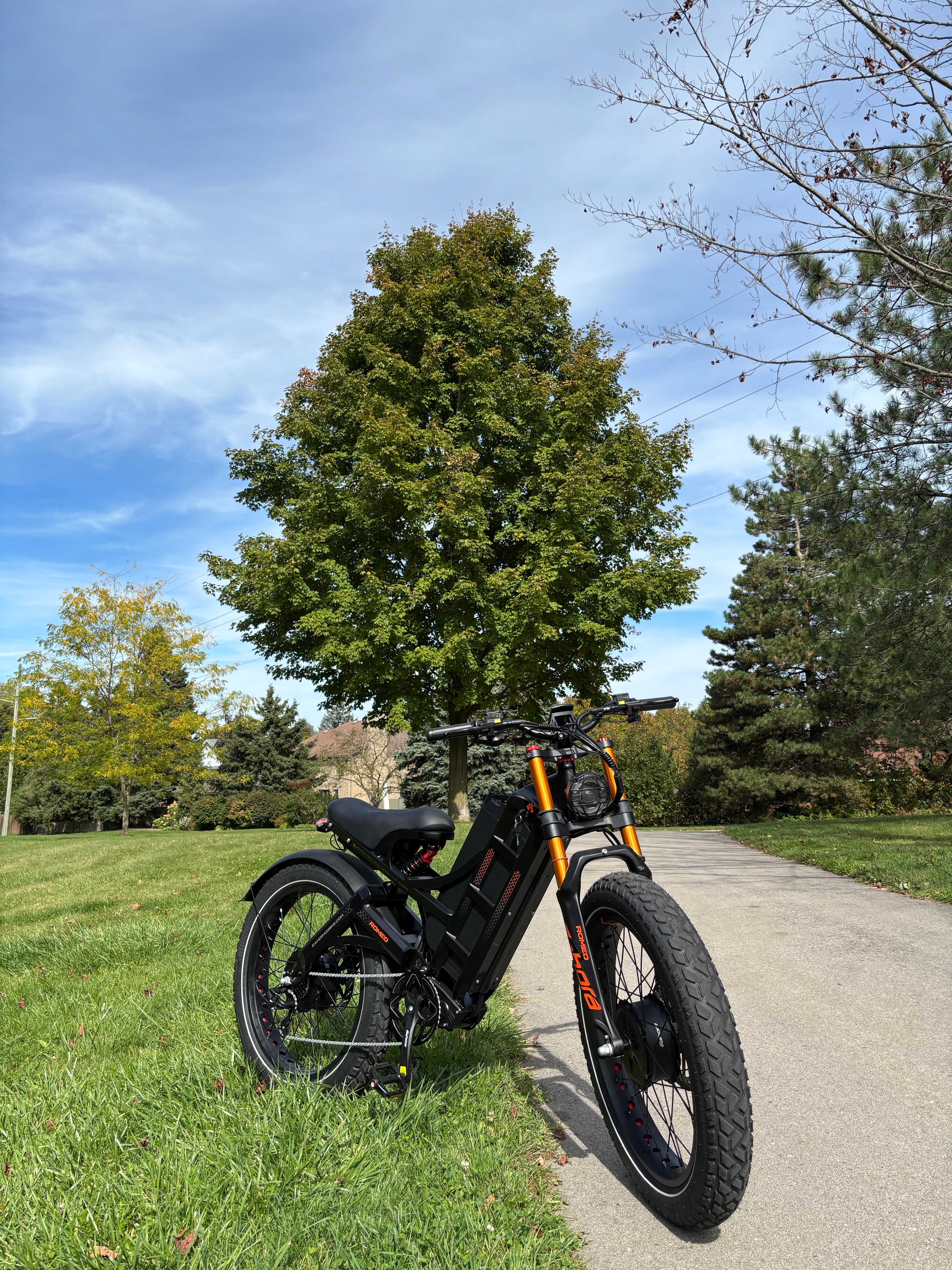
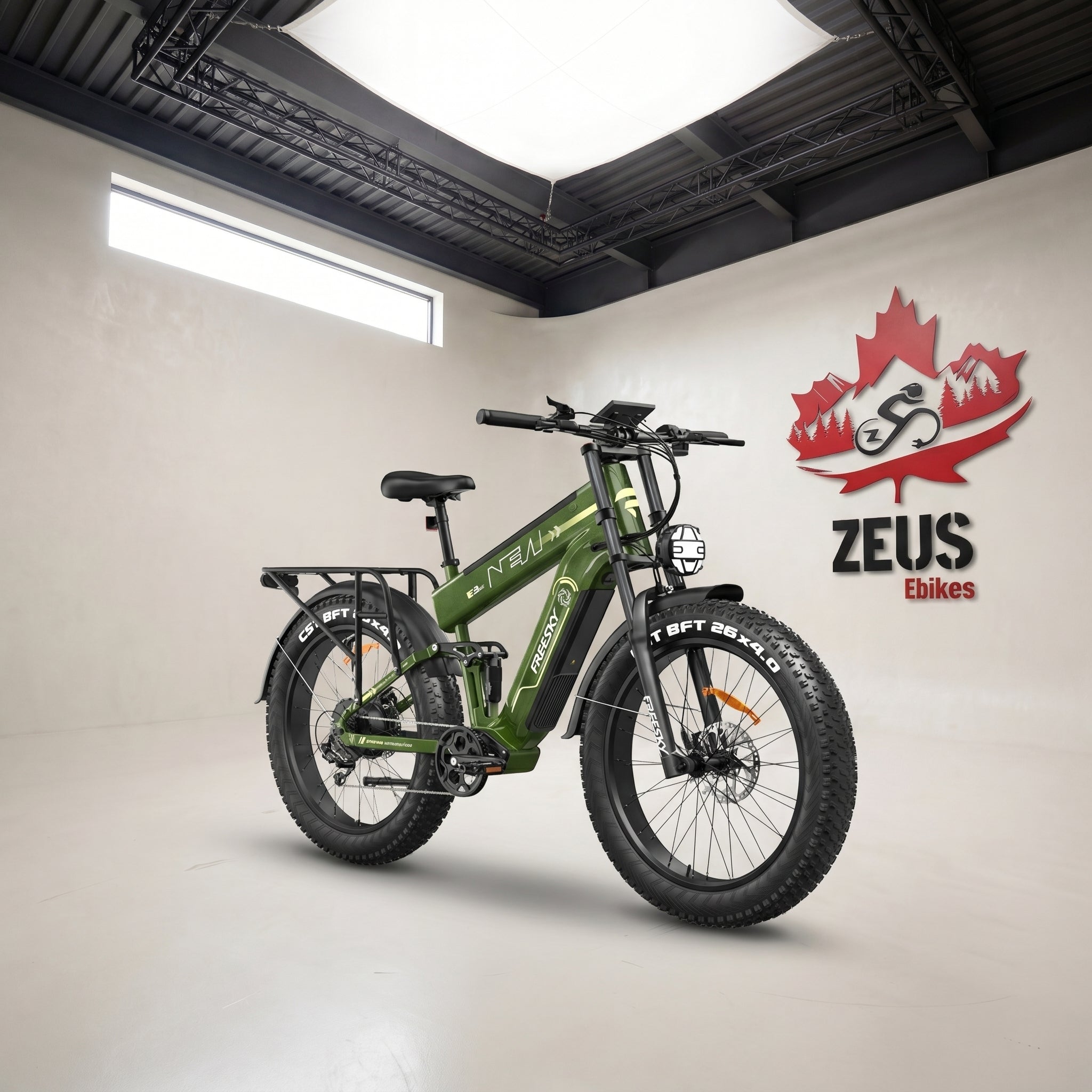
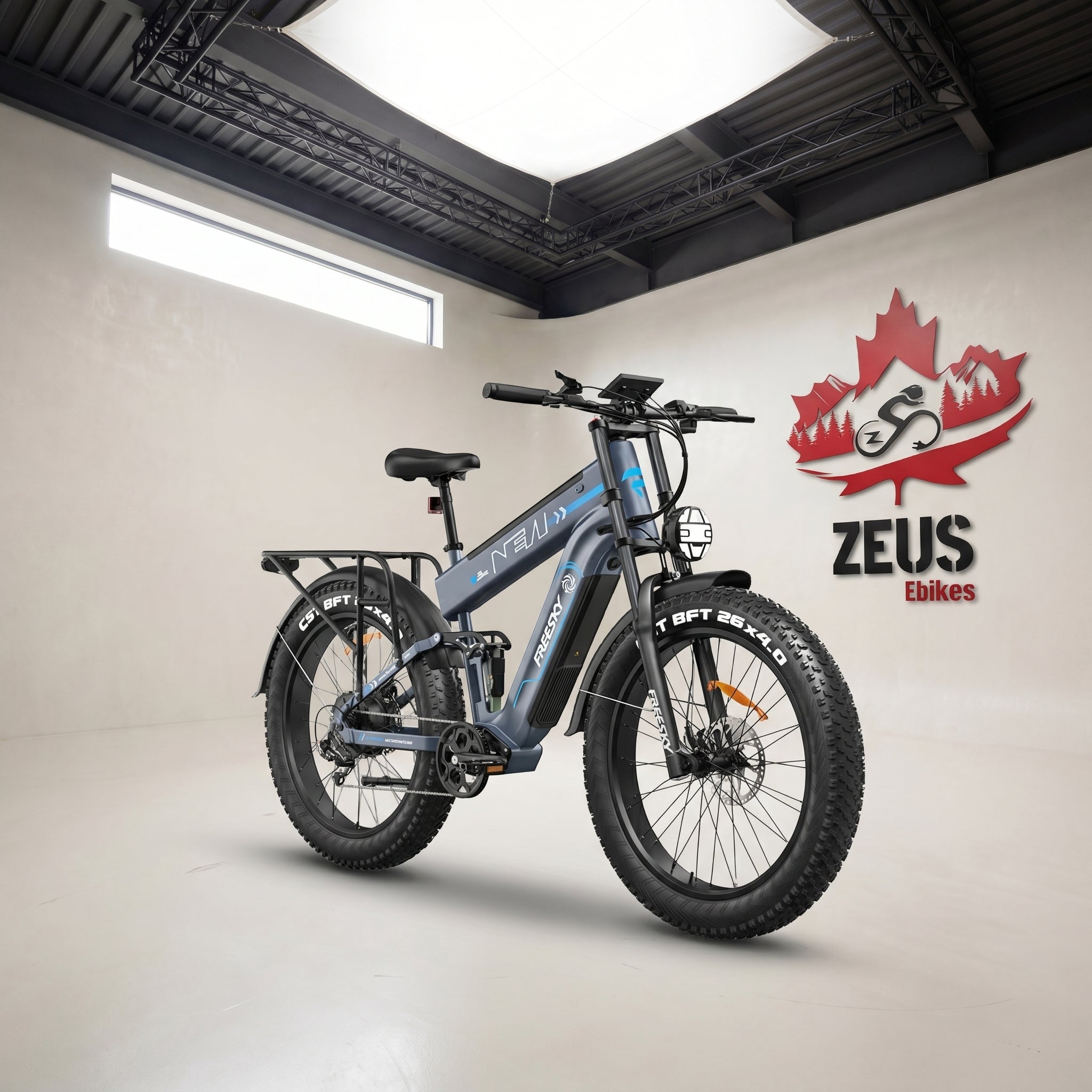
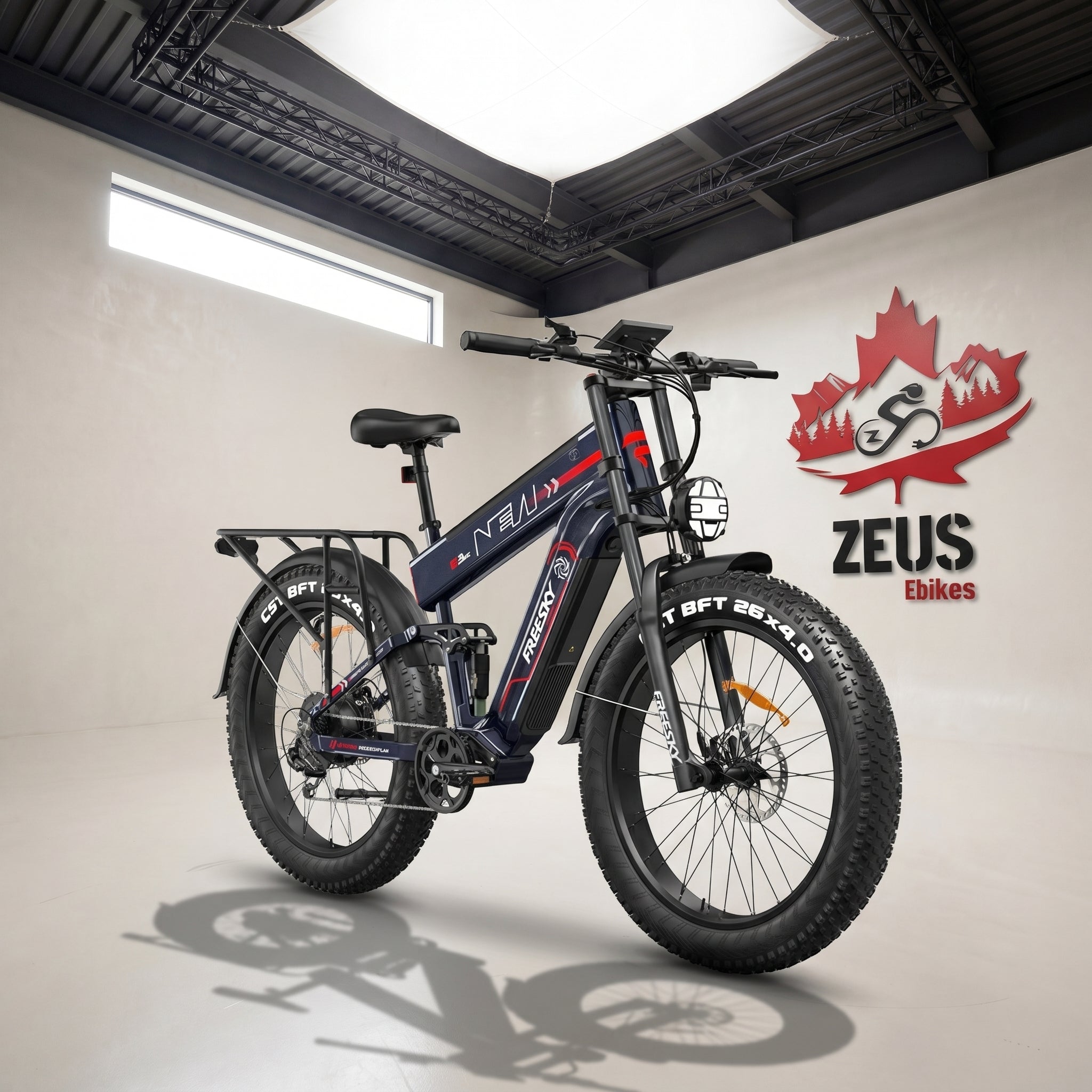
- Three Frame Colours — Black, Blue-gray and Green. All three use the same 6061 aluminium step-over frame.
Everything Included
Ships partially assembled. Final setup: front wheel, handlebars, pedals, seat post, battery installation. Two adults recommended for unboxing — the bike is 90 lbs in the carton.
- Freesky Alaska Pro M-520 eBike — Black, Blue-gray or Green
- 48V 18Ah lithium-ion battery pack — removable
- 48V 27Ah lithium-ion battery pack — removable
- 3A and 2A US-standard smart chargers — one per pack, so both batteries charge at once
- Colour LCD display with USB output (pre-installed)
- 800-lumen LED headlight (pre-installed)
- Rear LED tail light (pre-installed)
- Heavy-duty adjustable aluminium kickstand (pre-installed)
- Pedals
- Battery keys — one set per pack
- Assembly tool kit
- Rear rack
- Front and rear mudguards
- Printed owner’s manual
Also in the box: a rear rack and front and rear mudguards, as Freesky lists them for the Alaska Pro M-520. Free shipping to all 10 provinces — Zeus coordinates delivery to your door.
Dimensions & Fit Guide
| Frame Type | Step-over — 28.7″ (73 cm) standover |
|---|---|
| Total Length | 76.5″ / 194 cm |
| Wheelbase | 47.4″ / 120 cm |
| Total Height | 44″ / 112 cm |
| Wheel Diameter | 26.7″ / 68 cm |
| Recommended Rider Height | 5’6″–6’8″ / 168–203 cm |
| Recommended Inseam | 27″–35″ / 69–89 cm |
Fit notes: The 28.7″ standover means riders need at least a 28″ inseam to clear the top tube comfortably at a standstill. Riders at the bottom of the 5’6″ height range will be at the limit — consider sitting on the bike before committing if you are short-legged for your height. The 47.4″ wheelbase is long for a 26-inch-wheel bike; combined with the 90 lb mass and fat tires, this creates a planted, stable ride that resists crosswinds and absorbs road irregularities. The trade-off is manoeuvrability — tight U-turns require more room than a lighter, shorter-wheelbase bike. At 6’8″ the Alaska Pro is one of the very few fat-tire bikes in our catalogue that fits tall riders comfortably without a frame size upgrade.
The 90 lb / 2,160 Wh Reality — What This Bike Asks of You
90 lbs is heavy by general eBike standards but light for what this bike is. Most eBikes weigh 55–75 lbs. The Alaska Pro is 90. The Ranger Plus M-540 with similar peak power is 106. The 90 lb figure with 2,160 Wh of battery on board is the practical headline — Freesky kept the weight down by skipping the front motor, which translates to a bike that’s easier to lift, push, and load than its dual-motor counterpart.
That said, 90 lbs is still 90 lbs:
- Ground-level or garage storage is strongly recommended. Up a flight of stairs is a serious two-person job. The dual battery system helps here: pull both packs (combined ~7–8 kg / 15–18 lbs) and the bike drops to roughly 75 lbs — manageable for short single-person lifts.
- Vehicle loading should use a ramp. Lifting 90 lbs onto a truck bed or rear-mount rack without a ramp risks back injury and brake-lever damage. Bench-loading ramps are an inexpensive one-time purchase from any hardware retailer.
- Once you are riding, the weight disappears. 4,500W of peak rear-hub power moves 90 lbs like it is not there. The low centre of gravity (heavy frame + 26-inch fat tires) makes the bike feel planted and stable at speed, not top-heavy. In crosswinds, on gravel, over rough pavement — heavier bikes track straighter.
If weight matters more than range, single-motor step-thrus in our Step-Thru collection weigh 50–65 lbs and use smaller batteries. If you need the maximum traction insurance that AWD provides and can carry 16 more pounds, the Ranger Plus M-540 is the answer. The Alaska Pro is the right answer when range and power matter more than either of those.
The Honest Take — What We’d Change
Zeus sells this bike because 2,160 Wh of stock battery on a 90 lb frame at 4,500W peak does not exist anywhere else under our price ceiling. That does not mean it is perfect:
- Speed sensor, not torque sensor. The Alaska Pro uses a cadence-style speed sensor — it detects whether you are pedalling, not how hard. Assist is binary per PAS level: on when spinning, off when stopped. No proportional, natural-feeling pedal response. For throttle-dominant off-road riding this is functional. For pathway riding near pedestrians where precise speed control matters, the difference shows. The Velotric Nomad 2 has a SensorSwap system that toggles between torque and cadence on the fly. Torque vs cadence explained →
- UL2271 covers the 18Ah pack only. Freesky publishes UL2849 (system-level, TÜV) and UL2271 (battery-level, TÜV) for this bike — but the battery certificate it publishes is titled for the 18Ah pack, and there is no separate UL2271 certificate published for the 27Ah pack. If cell-level certification on every pack is a hard requirement for you — condo insurance, building bylaws, personal preference — ask us and we will get Freesky's written confirmation before you buy.
- 7-speed Shimano is undergunned for a 4,500W machine. A bike with a 40 mph PAS ceiling and 170 N·m of torque deserves 8- or 9-speed gearing. The Eunorau Hunter X7 runs Shimano 9-speed. The Taubik Westridge 4T Off Road runs Shimano Acera 8-speed. Both are more appropriate for this power class. The 7-speed feels overgeared at low speed and undergeared at top speed — you ride on PAS and throttle, not the cassette, more than you should.
- Overnight charging, not an afternoon top-up. Freesky publishes 8–10 hours and ships two chargers — a 3A and a 2A — so both packs can go on at once rather than one after the other. On 2,160 Wh that is still an overnight job. Budget for an aftermarket faster charger if same-day multi-charge cycles matter to you. The Velotric Nomad 2 ships with a 3-hour fast charger from the factory at this price point — the Alaska Pro should match it.
- No NFC security. At 90 lbs and 40 mph, the Alaska Pro has the road presence of a moped. NFC anti-theft locking is not included; rely on a heavy chain lock and indoor battery storage. Freesky’s Alaska Pro page shows a handlebar turn-signal (“steering light”) feature that its spec table does not list, so call us to confirm before you count on signals. The Velotric Nomad 2 has integrated turn signals and Apple Find My / Android Find Hub for tracking.
- Rated above the lines provincial e-bike rules converge on — generally outside the e-bike category on public roads. The Alaska Pro’s 4,500W peak and 40 mph PAS ceiling are far above the 500W nominal / 32 km/h limits Canada’s provincial e-bike rules converge on (the federal power-assisted bicycle definition was repealed effective 4 February 2021). This bike is sold for off-road trails, private property, motorised-vehicle-permitted routes, and Crown land where local rules allow. It is not for public roads, dedicated bike lanes, or multi-use pathways. Confirm local rules before riding off your own property.
Trade-offs acknowledged: a 90 lb single-motor fat-tire with 2,160 Wh of removable battery, full suspension, 4-piston brakes, and UL2849 system certification under the price tier of Velotric’s smaller-battery Nomad 2 is a genuine value proposition. The Alaska Pro is the right bike for the rider who has decided range, power, and battery flexibility matter more than AWD or integrated security tech.
Full Specifications
| Motor | 4,500W peak brushless rear hub motor |
|---|---|
| Torque | 170 N·m |
| Controller | 48V / 30A |
| Sensor Type | Speed sensor (cadence-based) |
| Pedal Assist Levels | 5 (PAS 0–5) |
| Throttle | Thumb throttle — with cruise control |
| Top Speed — PAS | 40 mph (64 km/h) |
| Top Speed — Throttle | 20 mph (32 km/h) |
| Walk Assist | 6 km/h push mode |
| Battery & Range | |
| Battery | 48V 45Ah lithium-ion — dual pack (18Ah + 27Ah) |
| Total Capacity | 2,160 Wh |
| Battery Mounting | Frame-integrated, each pack independently removable |
| System Certification | UL2849 (TÜV verified) |
| Battery-Level UL2271 | UL2271 (TÜV verified) — certificate published for the 18Ah pack |
| Charger | 3A + 2A US-standard smart chargers (one per pack) |
| Charge Time | 8–10 hours to full (Freesky) — both packs charging together on the 3A + 2A chargers |
| Manufacturer Range Claim | 158–282 km (98–175 mi) |
| Practical Range — Summer Mixed | 108–210 km depending on PAS and terrain |
| Practical Range — −10°C | ~108 km mixed riding after 25% cold-weather capacity loss (our estimate; Freesky’s manual: not for use or storage below 0°C) |
| Water Rating | Battery IPX7 (Freesky); no rating published for the whole bike |
| Frame & Geometry | |
| Frame Material | Upgraded 6061 aluminium |
| Frame Type | Step-over |
| Standover Height | 28.7″ (73 cm) |
| Total Length | 76.5″ (194 cm) |
| Wheelbase | 47.4″ (120 cm) |
| Total Height | 44″ (112 cm) |
| Rider Height | 5’6″–6’8″ (168–203 cm) |
| Inseam | 27″–35″ (69–89 cm) |
| Colours | Black · Blue-gray · Green |
| Weight | 90 lbs / 40.8 kg |
| Maximum Payload | 400 lbs (181 kg) |
| Suspension & Brakes | |
| Front Suspension | 120 mm oil-sprung front fork |
| Rear Suspension | 150 mm air rear shock |
| Brakes | 4-piston hydraulic disc, 180 mm rotors front & rear |
| Drivetrain & Wheels | |
| Gears | Shimano 7-speed |
| Chain | KMC |
| Crankset | 170 mm aluminium, 44T |
| Tires | 26″ × 4.0″ fat |
| Wheel Diameter | 26.7″ |
| Tire Pressure Range | 28–33 psi |
| Electronics | |
| Display | Colour LCD with USB output port |
| Headlight | 800-lumen LED (Freesky’s figure) |
| Rear Light | LED tail light |
| Turn Signals | Shown on Freesky’s feature list (“steering light”), not in its spec table: call to confirm |
| NFC / Anti-Theft | Not included |
| Hardware | |
| Seat Post | 30.9 × 350 mm alloy |
| Kickstand | Heavy-duty adjustable aluminium |
| Pedals | WELLGO platform pedals |
| Rear Derailleur | Shimano RD-TY300 |
| Rack / Fenders | Rear rack + front and rear mudguards included (Freesky’s box list) |
| Shipping & Warranty | |
| Shipping | Free to all 10 provinces |
| Delivery Window | Freesky ships in-stock bikes from Canada within 1–2 business days; 3–10 days to the door, by province |
| Tracking | Tracking email sent once shipped |
| Assembly | Partially assembled — final setup required |
| Zeus Care | First month included; Zeus handles your warranty claim with Freesky |
| Warranty — Motor / Battery / Controller | 24 months (Freesky’s Canadian terms, backed by Freesky in full) |
| Warranty — Other Components | 12 months (Freesky’s Canadian terms, backed by Freesky in full) |
Shipping & Delivery
- Delivery: Zeus places your order with Freesky, which ships in-stock bikes from Canada within 1–2 business days; delivery then takes about 3–4 days to Ontario, Manitoba and Quebec, 4–6 to Saskatchewan, Alberta, Newfoundland and New Brunswick, 5–8 to British Columbia and 7–10 elsewhere (Freesky’s published estimates)
- Shipping cost: Free to all 10 provinces; Freesky does not deliver to the Yukon, Northwest Territories or Nunavut
- Tracking: Tracking email is sent automatically once the bike leaves the warehouse
- Assembly: Ships partially assembled — final setup required (see the assembly section above)
- Warranty: Freesky’s Canadian warranty terms, backed by Freesky in full: 24 months on the motor, battery and controller and 12 months on every other component, from your purchase date; your first month of Zeus Care is included. Optional Zeus extended support plans available at checkout
Who Buys the Alaska Pro M-520?
- Rural riders, acreage owners, and property workers — 108–210 km of summer range means you check fences, ride to the back of the property, drive to town, return, and still finish the day with battery to spare. The 400 lb payload handles rider plus gear plus tools. Dry it after spring mud and fall rain: Freesky rates the battery IPX7, publishes no rating for the rest of the bike, and its manual excludes water damage from the warranty.
- Hunters and Crown-land riders — 2,160 Wh is enough to ride out, hunt, and ride back without thinking about charging. Single-motor simplicity means fewer connectors, fewer harnesses, and less to fail in the field. Quiet hub-motor operation (mid-drives whirr, hubs hum) helps on approaches.
- Long-distance trail and gravel riders — If you ride 80–150 km on dirt and gravel in a day and want to do that without battery swapping or PAS rationing, the Alaska Pro’s 2,160 Wh is the difference between riding freely and riding while watching the percentage. The 4″ fat tires and full suspension keep that day comfortable.
- Heavy riders up to 400 lbs — 400 lb payload is generous. A 280 lb rider still has 120 lbs of cargo capacity. The 4,500W peak power and 170 N·m torque deliver real climbing performance for heavier riders where smaller-motor bikes bog down. Heavy rider guide →
- Canadian winter riders — read Freesky’s M-520 manual first: it says the bike is “not intended to be used and stored at ambient temperatures less than 0°C (32°F)”, that the battery should be charged only between 0°C and 40°C, and that bike and battery should be charged and stored between 10 °C and 25 °C. Below that 0°C line, our −10°C estimate is ~108 km of mixed riding after a 25% capacity loss. Winter guide →
- Throttle-first off-road riders — If you primarily ride on throttle rather than pedal assist, the cadence-vs-torque sensor distinction matters less. 4,500W on the throttle is genuinely fun. Pedal assist vs throttle guide →
- Tall riders (6’2″–6’8″) — The 47.4″ wheelbase, 38″ max seat height, and 35″ max inseam accommodate riders the smaller-frame fat-tires cannot. If you have struggled to find a fat-tire that fits comfortably, the Alaska Pro likely will.
Who it is NOT for:
- Riders with hip or knee mobility constraints — The 28.7″ standover requires swinging a leg over a top tube. If you cannot or prefer not to, the step-thru Ranger Plus M-540 or one of the bikes in our Step-Thru collection is the better choice.
- Riders who need AWD traction — If your riding involves loose surfaces at the limit of grip — deep snow, sand at speed, ice — a single-motor hub will fishtail where a dual-motor AWD will pull through. The Ranger Plus M-540 is the right answer for that use case.
- Riders who want torque-sensor pedal feel — the Velotric Nomad 2 offers SensorSwap (torque + cadence).
- Street commuters in Canada — At 4,500W peak the Alaska Pro is off-road only. If you need a bike inside your province’s e-bike rules for bike lanes and pathways, see the Urban eBike collection.
- Apartment dwellers above ground level — 90 lbs of bike up multiple flights of stairs is impractical. The dual-battery removal helps, but you are still lifting a 75 lb frame.
How It Compares — Cross-Brand
| Spec |
Alaska Pro M-520 This bike |
Velotric Nomad 2 View → |
Taubik Westridge 4T Off Road View → |
Eunorau Hunter X7 View → |
|---|---|---|---|---|
| Motor | 4,500W peak rear hub | 750W / 1,300W peak hub | 1,000W Bafang geared hub | 1,000W Bafang mid-drive (1,500W+ peak) |
| Torque | 170 N·m | 90 N·m | 90 N·m | 160 N·m |
| Battery | 2,160 Wh (dual pack) | 705.6 Wh | 48V 20Ah (~960 Wh) | 720 Wh (1,440 Wh with optional 2nd pack) |
| Battery Removable | Yes — both packs independently | Yes | Yes | Yes |
| Sensor | Cadence (speed sensor) | SensorSwap (torque + cadence) | Torque sensor | Cadence (Bafang BBSHD) |
| Frame | Step-over | Step-Thru & Step-Over options | Step-over | Step-over |
| Tires | 26×4.0″ fat | 26×4.0″ Kenda fat | 26×4.8″ Maxxis Minion fat | 26×4.0″ Kenda Krusade fat |
| Suspension | Full (lockout front + rear) | 100 mm RST front + linkage seatpost | Mozo coil front only (hardtail) | RST fork only (hardtail) |
| Brakes | 4-piston hyd. 180 mm | Tektro hyd. 203/180 mm | Zoom dual-piston hyd. 180 mm | Eunorau hyd. 180 mm |
| Gears | Shimano 7-speed | Shimano 8-speed | Shimano Acera 8-speed | Shimano 9-speed |
| Top Speed (PAS) | 40 mph (64 km/h) | 20 mph (adjustable 12–28) | 32 km/h limit | 45 km/h (28 mph) |
| Weight | 90 lbs | 75 lbs | 81 lbs | 80 lbs |
| Payload | 400 lbs | 505 lbs | 286 lbs | 375 lbs |
| UL Certification | UL2849 + UL2271 (18Ah pack) | UL2849 + UL2271 | Battery UL only | Not listed |
| Turn Signals | Unconfirmed (see specs) | Yes (integrated) | No | No |
| Rack + Fenders | Both included | Fenders + bell included | Not listed | Optional |
Choose the Alaska Pro M-520 if: You want the longest practical range available on a single-motor fat-tire under our price ceiling. 2,160 Wh of stock battery is nearly three times what the Velotric Nomad 2 ships with, more than double the Taubik Westridge, and triple the Eunorau Hunter X7’s standard single-pack configuration. The 4,500W peak motor and 170 N·m torque sit at the top of this group. Full suspension and 4-piston brakes are spec advantages over the Westridge (hardtail, dual-piston) and Hunter X7 (hardtail). If raw range and power matter most, this is the answer.
Choose the Velotric Nomad 2 if: You want the best technology and electronics in this group at a comparable price point. Dual UL certification, SensorSwap dual-mode sensor (torque + cadence), integrated turn signals, 500-lumen auto-sensing headlight, Bluetooth display, cruise control, walk mode, step-thru frame option, and a 505 lb payload — the highest in this comparison. 75 lbs makes it 15 lbs lighter than the Alaska Pro. Trade-off: 705.6 Wh is roughly one-third the Alaska Pro’s battery, and 90 N·m torque is well below the Alaska Pro’s 170 N·m. The Nomad 2 is the better commuter; the Alaska Pro is the better long-day backcountry bike.
Choose the Taubik Westridge 4T Off Road if: You want a Canadian-brand build with a 1,000W Bafang rear-hub motor and the widest tire in this group — 4.8″ Maxxis Minion fat tires (versus 4.0″ everywhere else). The torque sensor delivers cleaner pedal feel than the Alaska Pro’s cadence sensor. Trade-offs: hardtail (no rear suspension), dual-piston brakes (versus 4-piston), 286 lb payload (substantially lower than the Alaska Pro’s 400 lbs), and smaller battery. Strong choice for riders who prioritise pedal feel and tire grip over absolute range and power.
Choose the Eunorau Hunter X7 if: You want quiet Bafang mid-drive power (cadence-sensing assist, per Eunorau) and the option to expand to dual 1,440 Wh. Mid-drive efficiency translates 160 N·m through 9 Shimano gears for devastating climbing torque. The trade-offs: hardtail (no rear shock), a UL certification Eunorau states without naming the standard (“UL certified: Yes”), base battery (720 Wh) is one-third the Alaska Pro’s stock capacity, and the second-battery upgrade adds cost. Better for hunters and trail riders who value drivetrain quality and pedal feel over raw battery capacity.
Frequently Asked Questions
Is the Alaska Pro M-520 street-legal in Canada?
No. The 4,500W peak motor and 40 mph PAS top speed sit far above the 500W nominal / 32 km/h lines provincial e-bike rules converge on. The bike is sold for off-road trails, private property, Crown land where local rules allow, and routes that permit motorised vehicles. Confirm local trail and Crown-land rules before riding.
What is the real-world range I can expect in Canada?
Practical Canadian range from the 2,160 Wh dual-battery system: ~210 km on low PAS over flat pavement in summer, ~144 km on mixed PAS over rolling terrain in summer, ~108 km on high PAS over gravel or sand in summer, and ~108 km mixed riding at −10°C after typical 25% cold-weather capacity loss, below the 0°C floor Freesky’s M-520 manual sets for using and storing the bike. Freesky’s official 98–175 mile (158–282 km) claim sits at the optimistic end of that envelope and assumes ideal conditions. Long-range guide →
Are reviews available for this bike?
The Alaska Pro M-520 is a newer addition to the Freesky catalogue and independent long-form reviews are still being filmed. If you would like a pre-purchase live video walkthrough of the actual bike from our warehouse, call us at 1-866-938-7580 and we will set one up — the offer stands for any bike we sell.
Does it have a torque sensor?
No. The Alaska Pro uses a cadence-based speed sensor. Pedal assist delivers a fixed power level for each PAS setting (0–5) regardless of how hard you push the pedals. For throttle-dominant off-road riding this is functional. For pathway and shared-trail riding where proportional speed control near pedestrians matters, a torque sensor delivers noticeably better feel. A torque-sensor alternative in our catalogue: the Velotric Nomad 2 (SensorSwap toggles torque and cadence). Sensor guide →
How heavy is it, and how do I handle it?
90 lbs. Practical reality: (1) Ground-level or garage storage is strongly recommended — carrying it up stairs is a two-person job. (2) Use a loading ramp for truck or van transport — lifting 90 lbs without one risks injury and brake-lever damage. (3) Both batteries are removable: pulling both drops the bike to roughly 75 lbs, which is more manageable for single-person lifts. (4) The 47.4″ wheelbase makes the bike stable and planted at speed but requires more room for tight U-turns at walking pace.
What rider heights fit this bike?
Freesky rates it for 5’6″–6’8″ (168–203 cm) with a 27″–35″ inseam. The 28.7″ standover requires at least a 28″ inseam to clear the top tube comfortably at a standstill. Riders under 5’6″ or with short legs for their height should consider a step-thru alternative. At 6’8″ the Alaska Pro is one of the few fat-tire bikes that fits very tall riders without needing a frame size upgrade.
What is the warranty on the bike?
An Alaska Pro M-520 from Zeus carries the warranty terms Freesky gives on its own Canadian store: 24 months on the motor, battery and controller and 12 months on every other component, from your purchase date, for the original owner. Freesky backs these terms in full on bikes bought from Zeus, and Zeus handles the claim with Freesky for you; your first month of Zeus Care is included. Wear parts (tires, tubes, brake pads, cables and housing, grips, chain, spokes), accidents, misuse, water damage, incorrect assembly and missed maintenance are not covered. Optional Zeus extended support plans (1, 2, 3, or 5 years) are available at checkout for additional remote diagnostic and support access.
What certifications does the battery have?
UL2849 and UL2271, both verified by TÜV. UL2849 certifies the complete eBike electrical system; Freesky lists UL2271 (battery-level certification) for the 18Ah pack. If UL2271 on both packs is a building-bylaw, insurance, or personal requirement for you, the Velotric Nomad 2 carries both UL2849 and UL2271 at a comparable price point.
How long does each battery take to charge?
Freesky publishes 8–10 hours to full, and ships two chargers — a 3A and a 2A — so both packs can charge at the same time rather than one after the other. On a 2,160 Wh system that is an overnight charge. For multi-ride days, an aftermarket faster charger will shorten it.
Can I finance this bike?
Yes. Zeus eBikes offers Canadian financing options at checkout. See our eBike financing guide for the available lenders, eligibility requirements, and how payment terms are structured.
Do I need a license, insurance, or a helmet to ride this?
Because the Alaska Pro’s 4,500W peak output and 40 mph top speed sit far above the lines provincial e-bike rules converge on, on-road use falls outside the e-bike category. Off-road land-use rules vary by province, by municipality, and by individual park or Crown-land area. Wear a helmet on every ride; full-face or motocross-style protection is recommended at this power class. Provincial helmet rules differ by vehicle type, and Nova Scotia's new Act leaves the e-bike case unsettled from 19 October 2026. Confirm specific rules with your provincial transport authority and any private trail or land owner before riding.
Zeus eBikes Canada — Free shipping to all 10 provinces. Canadian-based team handling every warranty claim, service question, and pre-purchase consultation. Reach us at 1-866-938-7580 or zeusebikes.ca/contact.
More from Zeus:
- Long-Range Electric Bikes Canada (2026) →
- Fat Tire Electric Bikes Canada (2026) →
- 500W vs 750W vs 1000W: Which Wattage Is Right? →
- Best eBikes for Heavy Riders Canada (2026) →
- Best eBikes for Winter Canada (2026) →
- Pedal Assist vs Throttle eBike Explained →
- How to Finance an eBike in Canada (2026) →
If you have any questions, you are always welcome to contact us. We'll get back to you as soon as possible, within 24 hours on weekdays.
-
Shipping Information
Use this text to answer questions in as much detail as possible for your customers.
-
Customer Support
Use this text to answer questions in as much detail as possible for your customers.
-
FAQ’s
Use this text to answer questions in as much detail as possible for your customers.
-
Contact Us
Use this text to answer questions in as much detail as possible for your customers.
Free Shipping Canada Wide

Exceptional Service
At Zeus Ebikes, we go beyond just selling ebikes. We're dedicated to offering the best customer service and support to ensure you're fully satisfied. Your happiness is our priority, and we're here to make your experience as smooth as your ride.
Blog posts